Review · Euro Weeks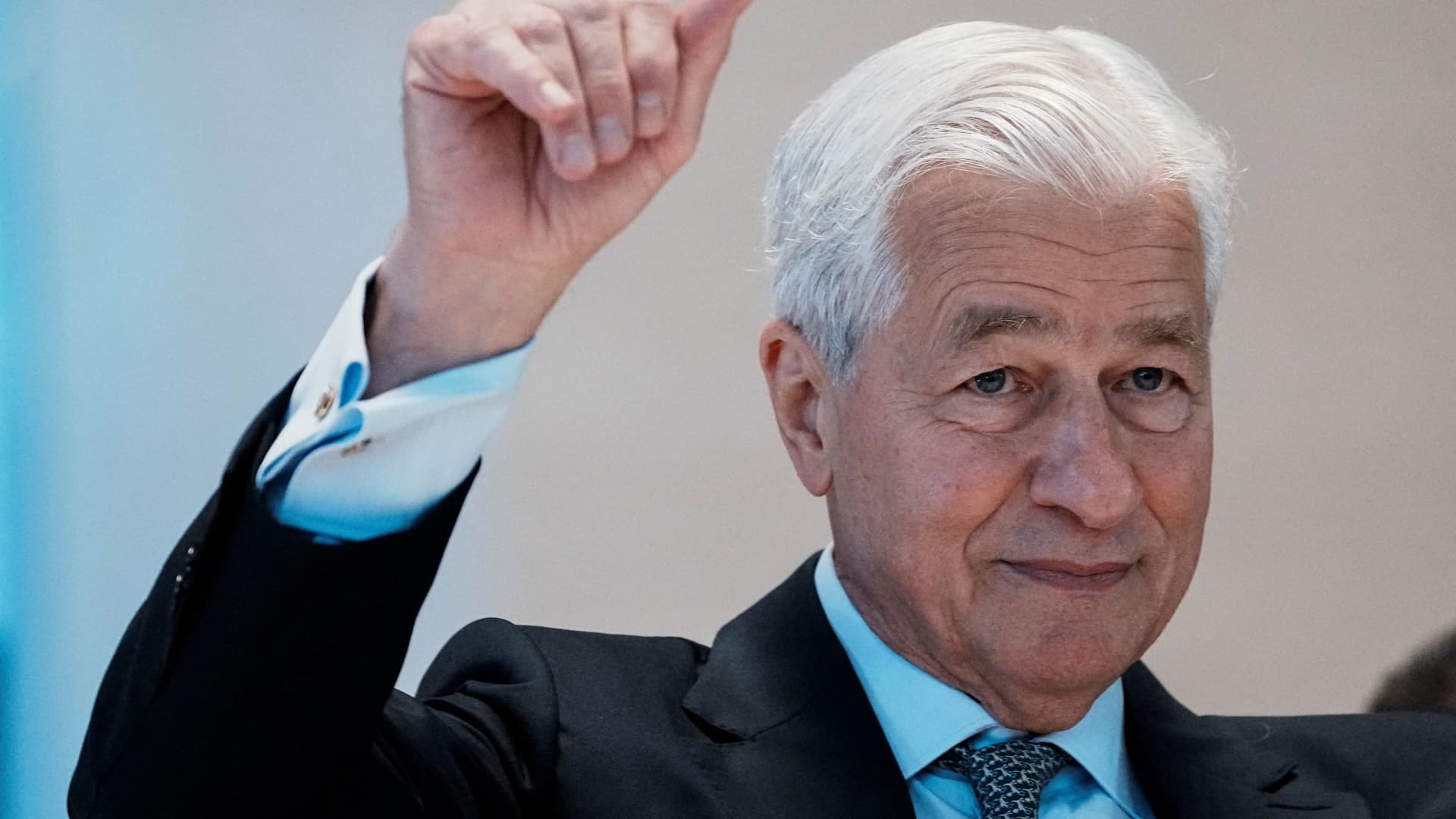
Jamie Dimon, Chairman and Chief Executive Officer of JPMorgan Chase & Co., attends the ribbon-cutting ceremony opening the firm’s new headquarters at 270 Park Avenue, in New York City, U.S., October 21, 2025. Eduardo Munoz | Reuters The artificial intelligence spending boom is showing little sign of slowing, with investment across the hyperscaler ecosystem potentially reaching $1 trillion next year, according to JPMorgan Chase CEO Jamie Dimon . Spending across the hyperscaler ecosystem has more than doubled from about $300 billion last year to around $700 billion this year, a surge Dimon said is boosting economic growth while potentially adding to inflation.
"That's like 1% increase to GDP each year," Dimon told CNBC-TV18 on the sidelines of the 11th annual JPMorgan India Conference, adding that the spending "may add a little bit to inflation" as companies hire workers, build factories and power plants, and buy equipment and materials. Over the longer term, however, Dimon said AI could have a deflationary effect, calling it an "unbelievable technology" whose rapid expansion "looks like it's going to continue." Still, he said it was too early to pick winners from the AI boom, pointing to the internet bubble, where many familiar names failed while previously little-known companies emerged as major winners, as an example of how the AI industry could evolve. Asked about returns on AI spending, Dimon said investments would not always come down to a straightforward calculation of returns, saying that "sometimes it's just table stakes." He pointed to improvements in customer experience as one benefit that can be difficult to quantify, and said companies could become more efficient in how they deploy AI over time.
Beyond AI, Dimon said heavy demand for capital from infrastructure, remilitarization and ongoing government deficits may be pushing interest rates higher. He also said there "may be a market correction" but that he was not sure AI would be the cause. Inflation outlook He also remained cautious on inflation, saying he hoped price pressure would ease but "there's a chance it won't, and it may even go up a little bit," adding that the Federal Reserve should stick to its 2% inflation target.
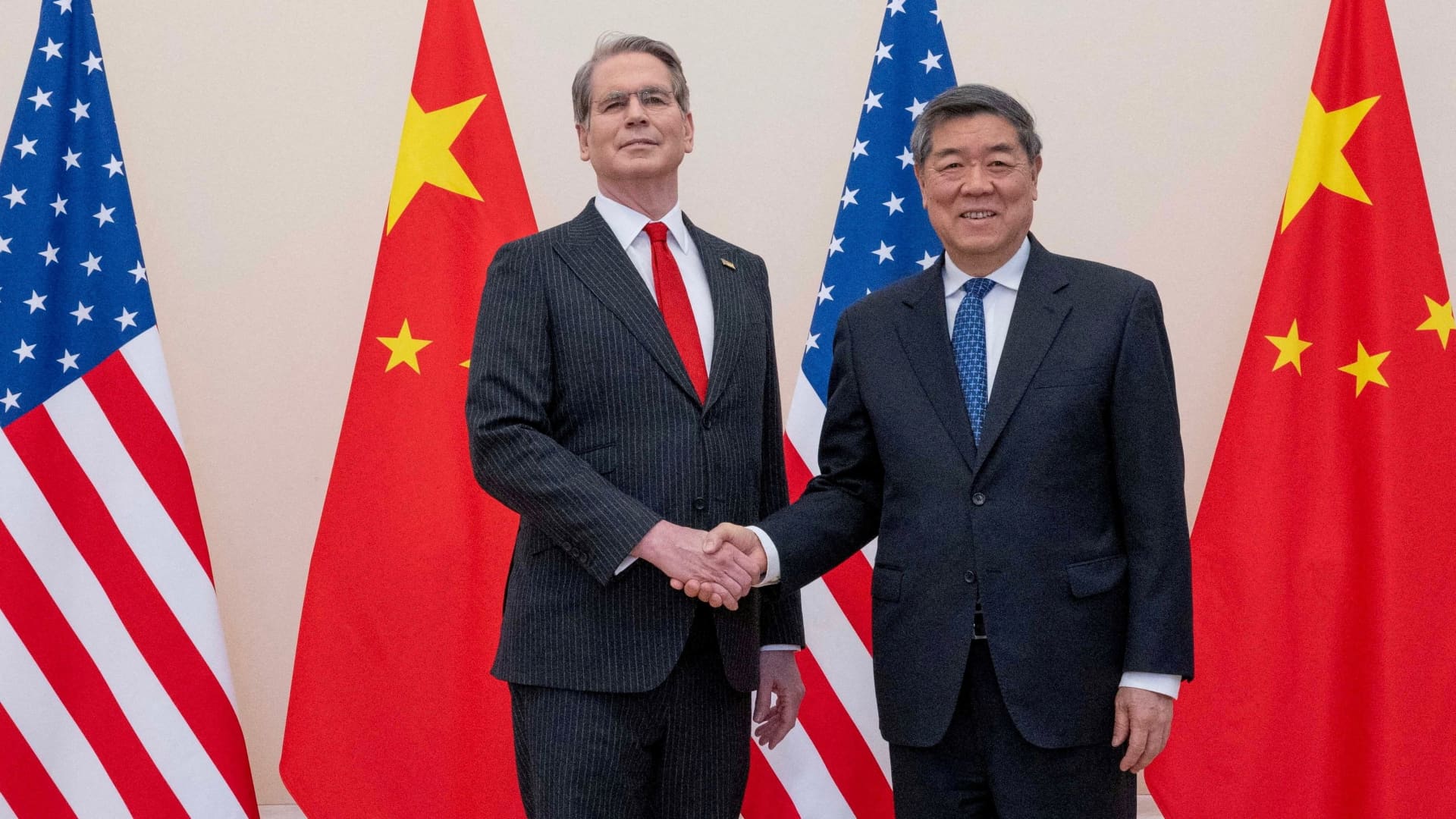
Ahead of the summit between U.S. President Donald Trump and Chinese President Xi Jinping, Dimon said the two sides appeared to be making progress and should "fully engage" on issues including trade, AI and security. He said he hoped the two countries would use the talks to address their differences, calling the discussions "important for the whole free world." Turning to India-U.S. relations, Dimon said the two countries should return to the negotiating table and complete a trade agreement.
"It obviously hasn't moved forward," he said. "I hope it's not put in the back burner." Dimon said he understood concerns in the U.S. about purchases of Russian oil, but said Washington should take into account India's refining needs and avoid "punishing India and the world oil markets." More broadly, Dimon said India's economy could grow to three times its current size over the next decade, adding that JPMorgan would continue expanding in the country: "We're going to keep on building."
Source: CNBC